
![[Translate to Englisch:] Elektronik richtig einwintern](/fileadmin/_processed_/6/7/csm_51142ca948ac4553a338fea82d1f3dcd_16712cdd0f.png)
How to keep your car’s electrical systems in good working order throughout the winter months
When the boat is taken out of the water, many people’s first thoughts are of the engine, antifreeze and maintenance. The electrical system and the sensitive electronics on board are often neglected.
Yet the winter break in particular can be a real test for batteries, chargers, sat-navs, connectors and other electrical components. Damp, corrosion, deep discharge, unnoticed standby currents and incorrectly connected chargers can lead to unpleasant surprises in the spring.
With a few simple steps, you can ensure your electrical system gets through the winter safely – and start the new season in spring feeling much more relaxed.
Please note the safety limit: Visual and functional checks can be carried out by the user. Modifications, repairs and metrological tests on the 230 V system, as well as work on unfamiliar or complex vehicle electrical systems, must be carried out by a qualified technician.
1. Preparing batteries properly for the winter break
First things first: look after your batteries.
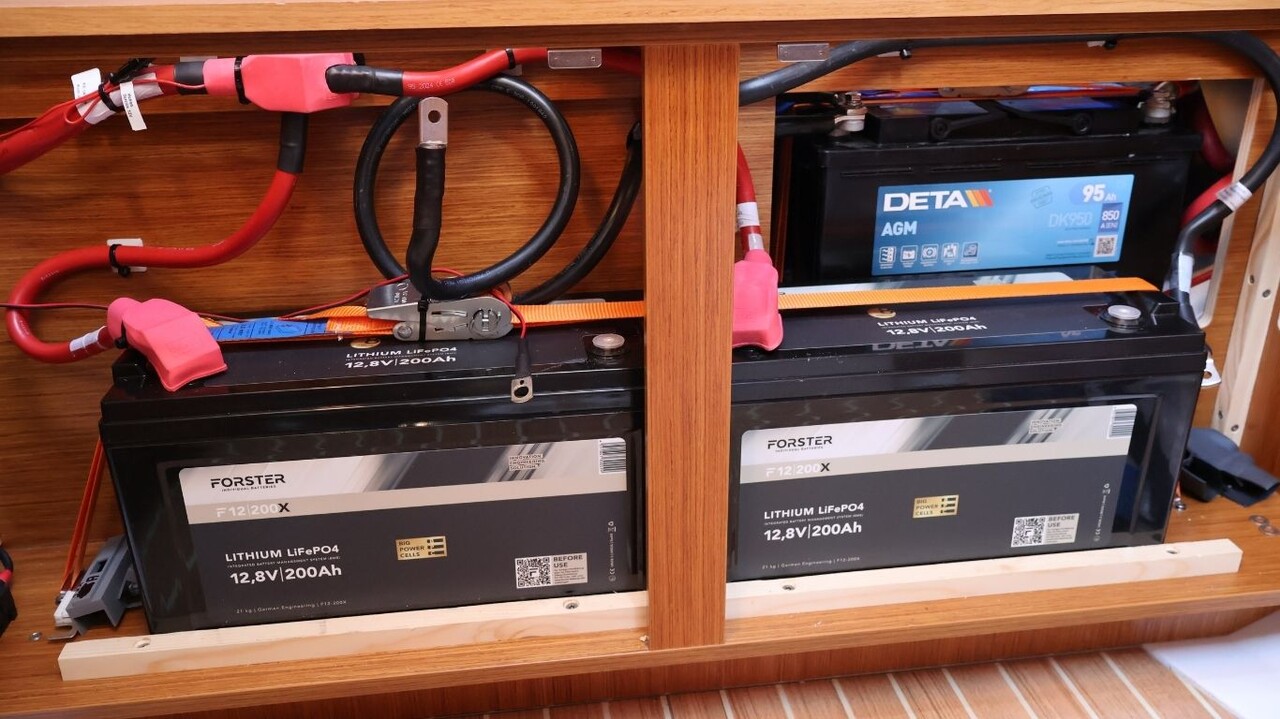
Whether lead-acid, AGM, gel or lithium – every battery has its own specific requirements. It is therefore important to first establish which type of battery is fitted and which charging system is suitable for it.
The following generally applies to conventional lead-acid, AGM and gel batteries:
- Fully charge the batteries before winter storage
- Take account of devices with a constant current draw, such as alarm systems, storage units or certain control units (only if absolutely necessary)
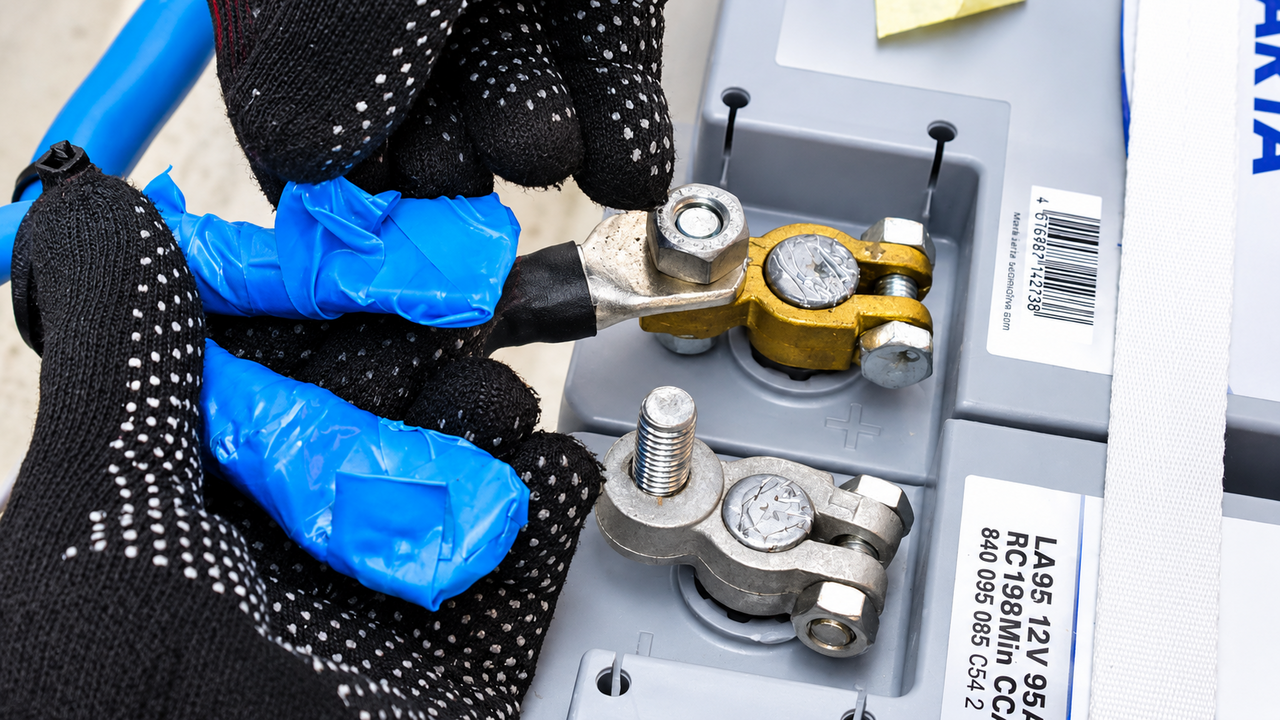
- Then disconnect the devices from the on-board electrical system and disconnect the positive terminal from the battery (when the vessel is ashore)
- Check the battery voltage regularly during the winter break
Recharge as necessary, depending on the battery type and charging system
Important: Simply switching off the main switch does not automatically mean that all electrical loads are de-energised. Bilge pumps, alarm systems, chargers or certain control units may still be connected.
Lithium batteries require special care
Different rules apply to LiFePO₄ batteries than to conventional lead-acid batteries. It is essential to follow the instructions provided by the battery and BMS manufacturers.
Particular care is required at low temperatures: many lithium batteries must not be charged at temperatures below 0 °C.
- Set the battery to the storage charge level specified by the manufacturer (60–70 per cent)
- Then disconnect the electrical loads from the on-board electrical system and disconnect the positive terminal from the battery (when the vessel is ashore)
That is why, before the winter break, you should check how the battery, BMS, charger and, if applicable, the heating system work together.
2. Check chargers and shore power
Simply leaving the shore power connected for months on end is not necessarily the best solution.
Although modern chargers are equipped with suitable trickle-charge or charging programmes, the entire installation should nevertheless be checked. This includes:
- Charger and charging profiles
- Fuses
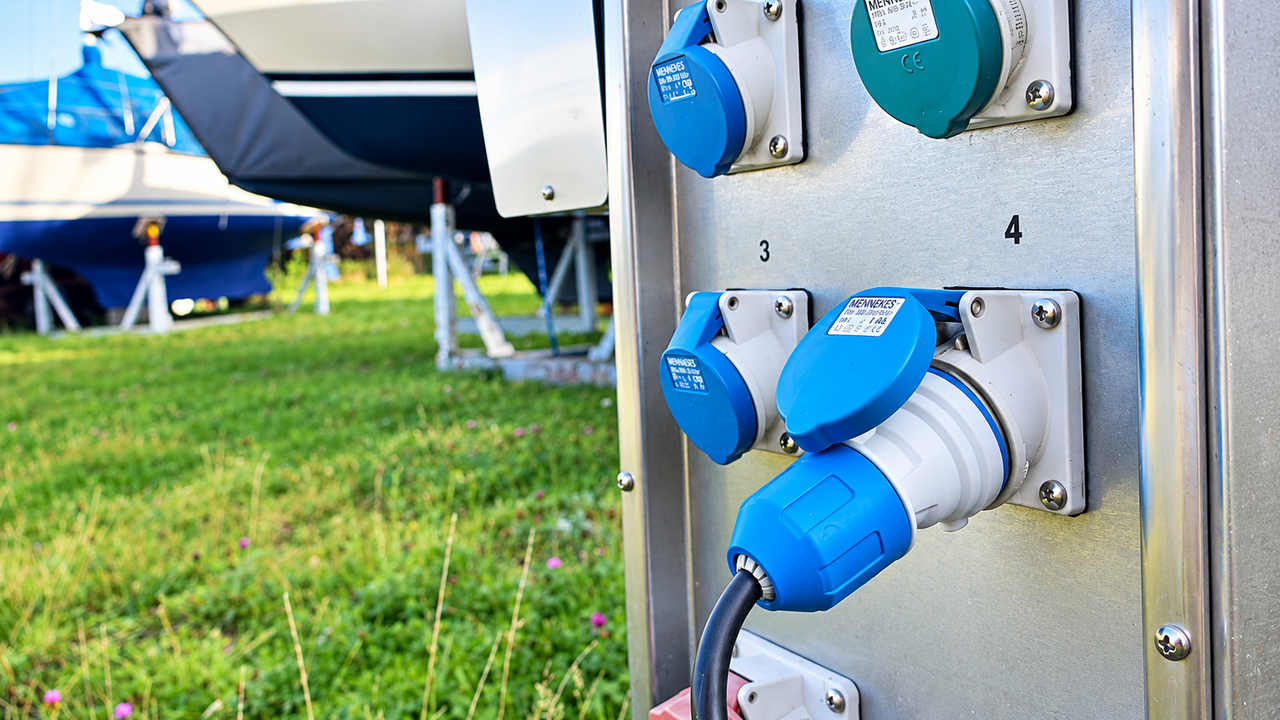
- Shore power connection
- FI/RCD protection
- Shore power cable and plug
- Battery temperature sensors
Cables and connections for corrosion or damage
If the boat is connected to shore power for a prolonged period, the installation should be technically suitable for this purpose and checked regularly.
It is particularly important never to continue using damaged or corroded shore power plugs and cables during the winter months.
3. Protecting on-board electronics
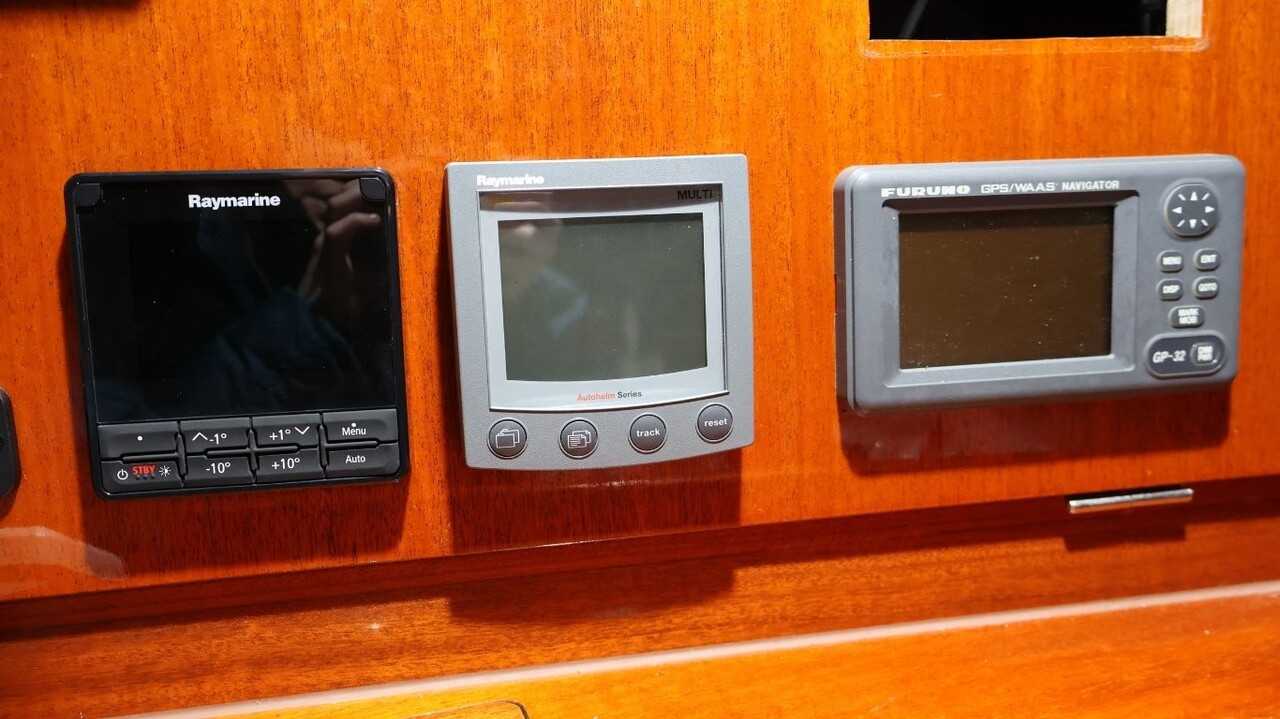
Plotters, multifunction displays, autopilots, AIS, radios, radar, depth sounders, chargers and other electronic components have one thing in common: they cannot tolerate moisture.
For equipment that can be dismantled, it may be advisable to store it in a dry, frost-free place over the winter. This applies, for example, to:
- mobile displays
- handheld radios
- tablets
- cameras
- portable sat-navs
- certain control units
Permanently installed equipment, on the other hand, should not simply be covered up and forgotten. A dry and well-ventilated environment is essential.
This is because an airtight cover can, under certain circumstances, have exactly the opposite effect: condensation remains trapped and promotes corrosion.
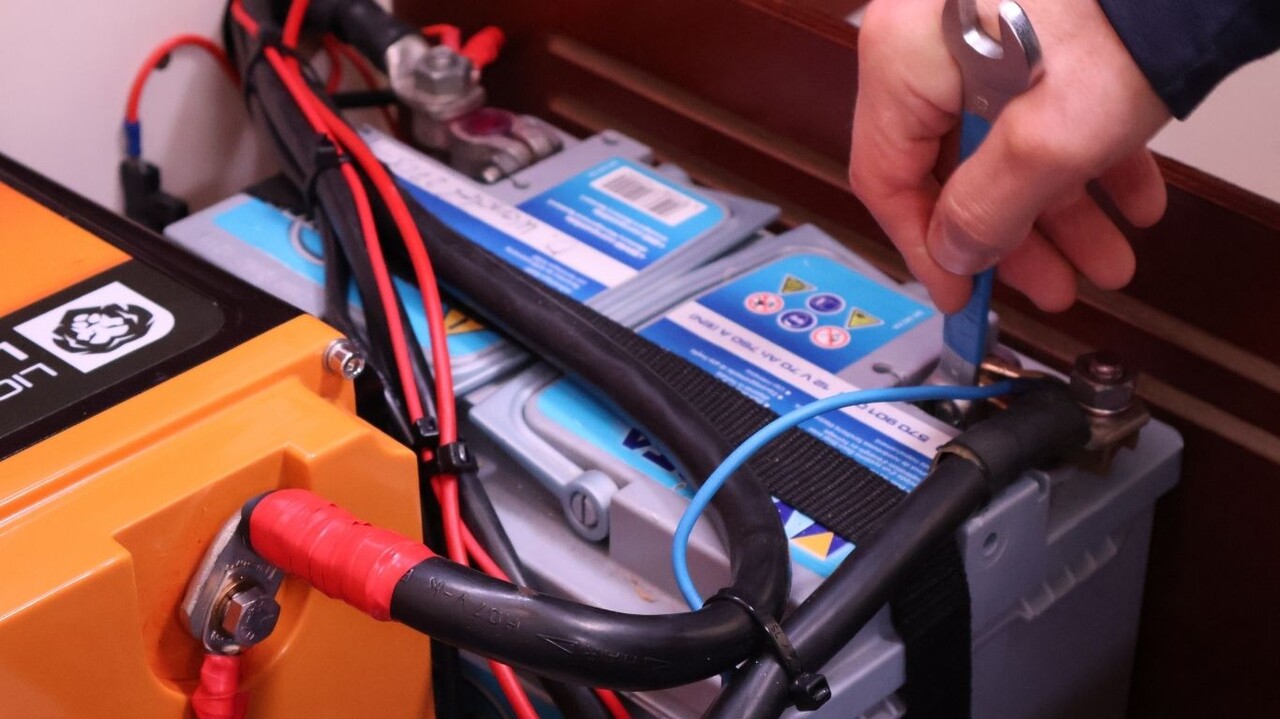
4. Check connectors and cables
Corrosion is one of the most common threats to electrical systems on boats.
Salt water, high humidity and temperature fluctuations really take their toll on connectors, cable lugs, fuse holders and switches.
Before the winter break, it’s therefore worth taking a look at:
- Connectors
- Fuse holders
- Cable lugs
- Earth connections
- Battery terminals
- Relays
- Switches
- Outdoor sockets
- Antenna connections
- Sensor connections
Check for verdigris, white corrosion, loose connections, brittle cable insulation or moisture in plugs.
Not every connector should simply be treated with just any contact cleaner. For sensitive electronics and specialised connector systems, always follow the manufacturer’s instructions.
5. Don’t forget the bilge pumps and safety equipment
A common mistake when preparing for winter: everything is switched off – including systems that might still be needed during the winter.
Whether the bilge pump, alarm system, antifreeze system or monitoring equipment should remain active depends on where and under what conditions the boat is stored over the winter.
If a bilge pump needs to remain operational, the relevant power supply must, of course, not simply be disconnected completely.
At the same time, you should check whether the pump is working reliably and whether the automatic float switch or sensor is functioning.
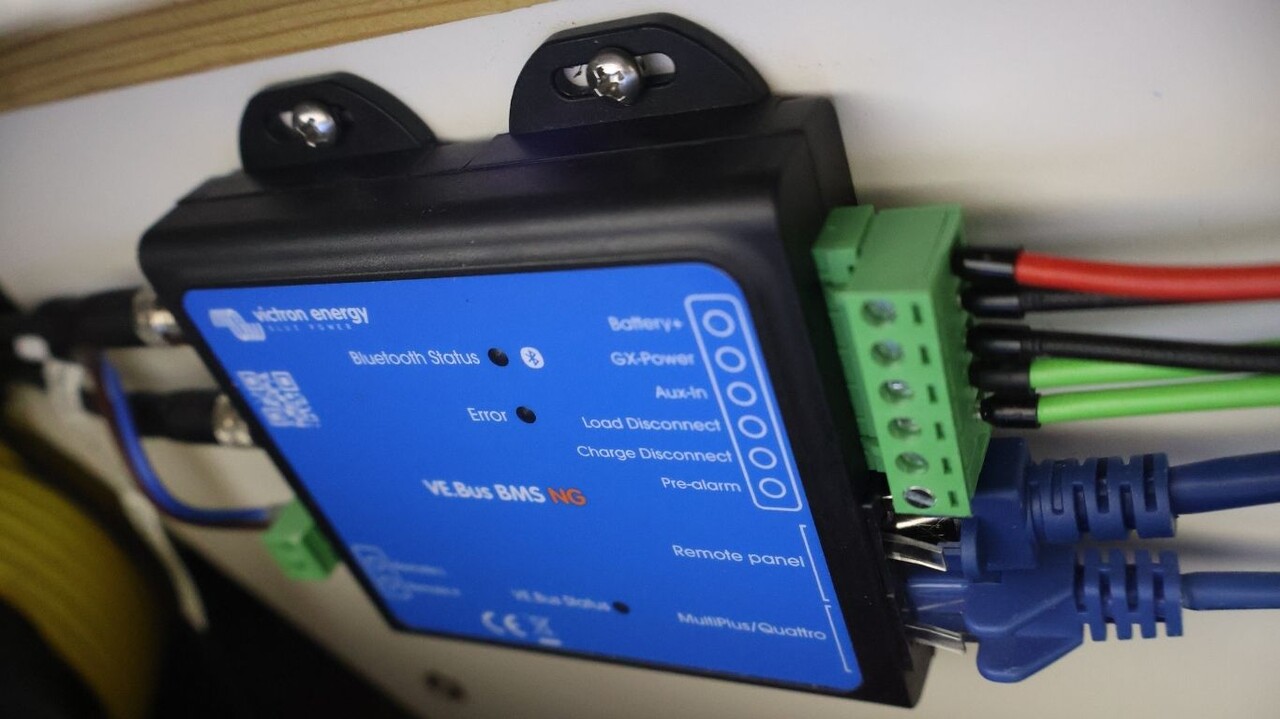
6. Take shore power, solar power and wind generators into account
With boats that have multiple power sources, things get a bit more complicated.
In addition to shore power, for example
- Solar panels
- Wind turbines
- Alternators
- DC/DC chargers
- or additional chargers
be connected to the vehicle’s electrical system.
Before putting the system into winter storage, it should be clear which energy sources will remain active and which will be disconnected.
In the case of solar systems, for example, you should not simply disconnect individual components without taking into account how the charge controller works and the manufacturer’s instructions.
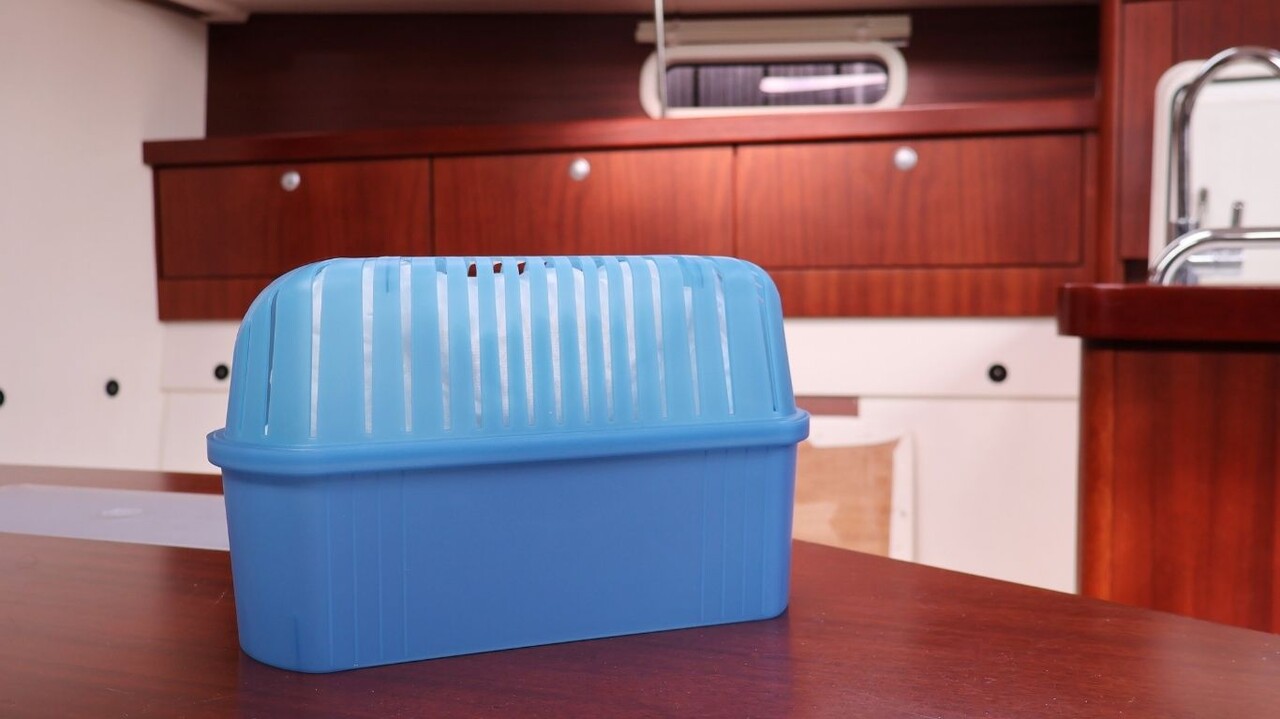
7. Moisture is the underestimated enemy
Electronics and moisture don’t mix very well.
During the winter months, temperature differences can quickly lead to condensation and increased humidity in enclosed spaces.
That is why:
- Keep indoor spaces as dry as possible
- Ensure there is adequate ventilation and set up dehumidifiers
- Reduce sources of damp
- Remove upholstery and textile materials where necessary
- Do not ‘wrap up’ electronic equipment in an airtight manner
- Check regularly that everything is in order.
Even a dry winter storage facility is no reason to leave the boat completely unattended for months on end.
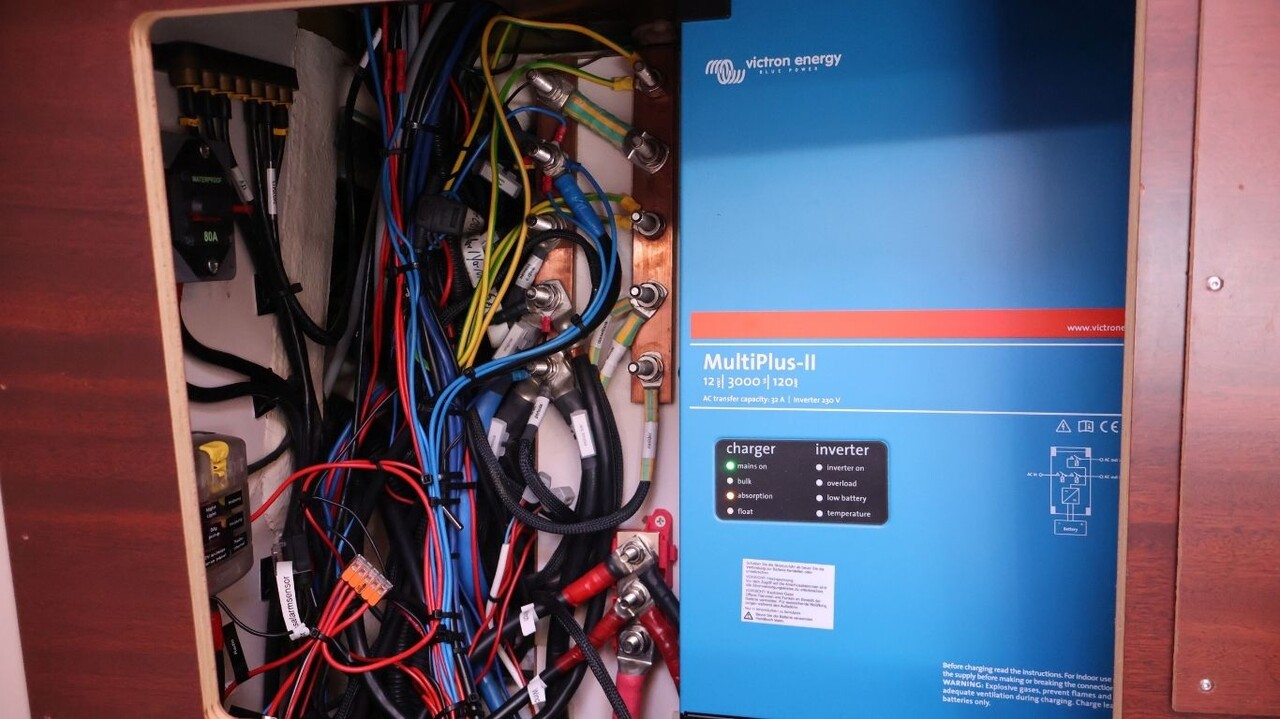
8. Check fuses and distribution boards
The winter break is a good opportunity to take a closer look at the electrical distribution system.
Are all the fuses labelled? Are there any loose cables? Are any fuse holders or distribution boards corroded? Has anything ever been retrofitted and only connected on a temporary basis?
Particularly with older boats, it is worth taking a close look at the entire system.
Tidy cable routing, proper protection and corrosion-free connections are not just a matter of tidiness – they are a vital part of safety on board.
9. Document before winterising
Here’s a handy tip that can save you a lot of time in the spring: take photos of battery terminals, fuse boxes, chargers and special connectors before you disconnect anything.
Even better: label any cables you have disconnected and make a note of which appliances have been switched off or removed.
10. Don’t just ‘switch it off’ – check its condition
The most important rule is therefore:
Winterising a boat properly does not mean switching off as many switches as possible. It means systematically ensuring that the electrical system is in a safe condition.
Depending on the boat, a wide variety of measures may be appropriate. A small sailing boat with a straightforward 12-volt system requires a different strategy to a large motor yacht with a lithium battery bank, inverter, generator, several chargers, an entertainment system and extensive navigation electronics.
Our recommendation for the winter break
Make a point of setting aside some time for the electrical and electronic systems and proceed systematically:
- Check battery types and state of charge
- Switch off any electrical appliances that are not needed
- Check chargers and shore power system
- Check electronics for moisture and damage
- Check connectors and cables for corrosion
- Test bilge pumps and other important systems
- Take solar and other charging sources into account
- Ensure a dry, well-ventilated environment
- Store removed electronic equipment in a dry, frost-free place
Document the changes made
If you’re well prepared for winter, you’re halfway there
The winter break is the perfect opportunity not only to prevent damage, but also to get the electrical system ready for the next season.
Perhaps there are devices that have been causing problems for some time, a battery that no longer holds its original charge, or a plug connection that needs replacing as a matter of urgency.
If you sort out these matters in the autumn, you’ll start the spring feeling much more relaxed.
And if you’re not entirely sure about your battery system, charger, shore power or on-board electronics: it’s better to have them checked by an expert before a minor contact issue in the spring turns into a proper problem.
After all, the next season should begin with a turn of the key or a press of the start button – and not with a search for the reason behind ‘Why on earth isn’t anything working here anymore?’